Founder · Nicole Cain · Mar 28, 2026
You Cannot Think Clearly Inside the System That Shaped You
Most people do not have an execution problem. They have an environmental design problem.
Let’s start with the uncomfortable truth:
You are not thinking your thoughts. You are running them.
Like code compiled by an environment you never audited.
Like habits auto-loaded by a system you never designed.
Like identity, accumulated, not chosen.
You are not thinking your thoughts. You are running them.
We have been taught to solve life like a project plan.
Break it down, optimize the timeline and execute with precision.
Analytical thinking is necessary. But it assumes something critical:
That the system you are operating inside is already correct.
(Most of the time, it is not.)
The Loop Most People Never See
This is not philosophy. It is architecture.
If you do not design it consciously, you inherit it unconsciously.
You repeat what feels familiar.
You optimize what is already broken.
You call it growth when it is just momentum in the wrong direction.
If you do not design the system, you inherit it.
Systems Thinking Is Not Strategy, It Is Perception
Most people use systems thinking as a more sophisticated way to plan.
But using a model that is predetermined is not always the practical apporach to systems thinking. Especially today.
We need analytical thinking with better, organic language.
Real systems thinking asks different questions.
What is this connected to?
What assumptions am I operating under?
What environment is producing these results?
What role in the process are you inserted at to carry out this system. You have already been considered to be a part of this process. Does that mean you have control of the control?
It is not about doing more.
It is about seeing what is “doing” you.
The Missing Layer
Identity as a Variable
Most frameworks treat identity as fixed.
Know who you are. Stay true to yourself.
But identity is not a noun. It is a variable.
Updated continuously by the environments you inhabit.
Your thoughts are outputs.
Your habits are responses.
Your identity is accumulated architecture.
You do not have an identity problem.
You have an environmental input problem.
If you want to think differently, you cannot stay in the same environment that produced your current thinking.
Isolation Is Calibration
Isolation is often misunderstood.
It is not always withdrawal or unintentional avoidance. Isolation can be a useful tool. It is removal of interference to controlled condition.
The only way to reduce external frequences enough to observe your own system.
In your default environment, you are:
Reacting
Adapting
Absorbing
You are rarely thinking.
You do not find clarity by adding input.
You find it by removing interference.
Isolation creates the condition where thought becomes your own.
The GRID Lens
Identity × Environment × Intelligence
Everything operates through a loop:
Identity shapes behavior.
Behavior interacts with environment.
Environment produces outcomes.
Outcomes reinforce identity.
And the cycle continues.
Most people try to fix intelligence first.
Better tools.
Better frameworks.
Better inputs.
But if identity and environment are misaligned,
intelligence only optimizes the misalignment.
Intelligence does not fix misalignment.
It accelerates it.
I Did Not Build a Personal Brand
I Built Systems
For the past decade, I have worked across marketing and design.
But I did not build a visible identity in the traditional sense of my own through this process.
I embedded it into systems. People associate identity in who they are with what they do.
Into brands.
Into workflows.
Into environments that shape behavior.
We are ultimately human and need to own ourselves and identity. I do design, marketing, operations. I am not just a artist, writer or 1 size fits all.
I learned to adapt. Like an actor entering different roles.
Not losing self, but understanding structure.
How language changes outcomes.
How context shifts behavior.
How environment dictates decision-making.
People are not fixed.
They are responsive systems.
Observation Without Emotion
There is a threshold where observation detaches from judgment.
You stop asking if something is good or bad.
You start asking what it produces.
When emotion is removed from observation:
Patterns become obvious.
Friction reveals misalignment.
Effort and outcome gaps expose broken loops.
Clarity begins where reaction ends.
This is not detachment. It is precision.
Analytical Thinking Comes After
Most people start with execution.
Timelines.
Tasks.
Metrics.
But these only work once the system is understood.
Analytical thinking is the execution engine.
Systems thinking is the design layer.
If you skip design,
you optimize the wrong structure.
Do not start with timelines.
Start with topology.
Breaking the Loop
A System Reset
You do not need to leave your life. You need to interrupt your inputs.
Remove noise
Reduce external signals long enough to hear your own
Audit identity
Question what was chosen versus what was inherited
Shift environment
Change one variable and observe how output responds
This is not self improvement. This is system intervention.
The Return
Isolation is not the goal. It is the reset.
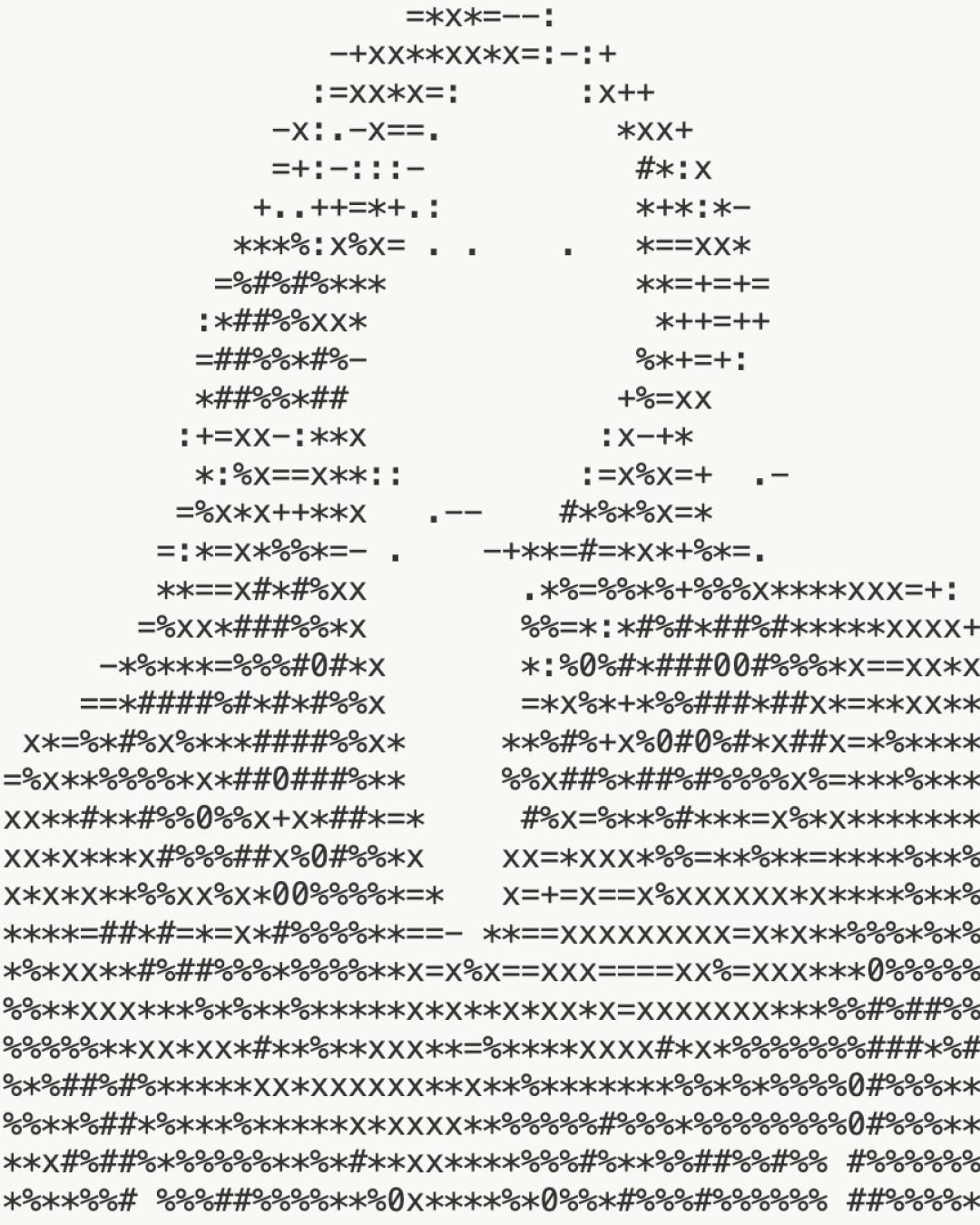
You return to the same environment differently.
Not reacting to it.
Designing within it.
You understand:
Structure creates behavior
Environment shapes identity
Outcomes are produced, not random
When the environment is designed correctly,
outcomes become inevitable.
Final Thought
We are not struggling because we lack discipline.
We are struggling because we are operating inside systems we did not design,
and trying to optimize them.
The moment you see the system,
you are no longer inside it.
You are designing it.
So ask yourself:
What system am I running inside
Who designed it
And what would change if I redesigned it on purpose
Nicole Cain
Founder, GRID
Writing at the intersection of identity, systems, and adaptive intelligence